



We have become so accustomed to reading billion-dollar headlines in the tech world that a $2 billion acquisition might sound like pocket change. But pause for a second. Meta’s (formerly Facebook) quiet but massive move to acquire Manus is not just another corporate merger.
While reading the details of this deal, one thing became crystal clear to me: Mark Zuckerberg is done with just “chatting.” He doesn’t just want a bot that talks; he wants a system that acts, earns, and manages the digital world on our behalf.
This is the beginning of the “Agent Era.” Let’s dig into what this deal really means and why it matters for the future of the Metaverse.
The Era of “Chatting” is Over; The Era of “Action” Begins

Let’s be honest: chatting with ChatGPT or Gemini is fun, but it often feels passive. You ask, it answers. End of story.
What makes Manus special—and why Meta paid such a premium—is that it is an AI Agent, not just a chatbot. This distinction is critical.
- A Chatbot tells you the price of a flight.
- An AI Agent finds the best flight, books it, and adds it to your calendar.
Manus is known for its ability to perform complex, end-to-end tasks like market research, software development, and data analysis. It is active, not passive. This is a direct answer to OpenAI’s “Deep Research” capabilities. Zuckerberg wants that little AI button in WhatsApp and Instagram to stop telling jokes and start organizing our lives.
The $60 Billion Question: Where is the Money?
When I looked at Meta’s recent financial reports, one number stood out: $60 Billion. That is the colossal amount Zuckerberg is pouring into AI infrastructure (servers, GPUs) this year.
Naturally, Wall Street investors have been getting nervous, asking a very valid question: “Mark, where is the return on investment?”
This is where Manus fits into the puzzle. Unlike many experimental AI projects, Manus is a product that already generates revenue and has millions of users. By acquiring Manus, Meta is sending a strong signal to its investors: “I am not just selling dreams; I am integrating a working, money-making engine into our ecosystem.”
The “China” Factor and Digital Cleaning
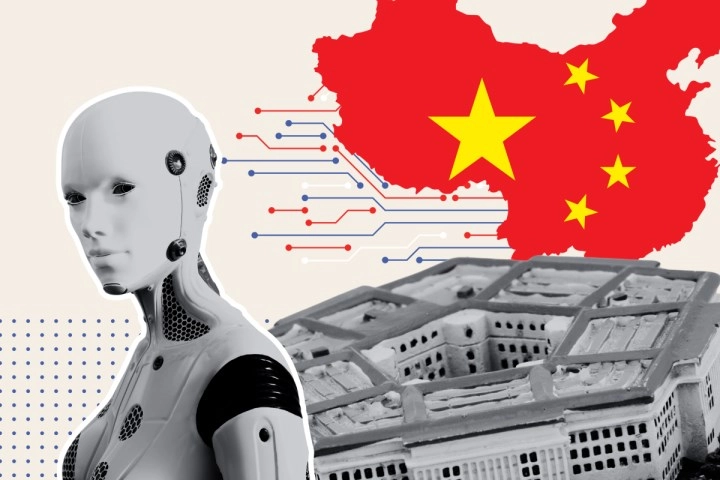
The most intriguing part of this story is the geopolitical maneuvering behind the scenes. Manus has its roots in China (originally developed under Butterfly Effect/Monica.Im). In today’s tech climate, integrating a Chinese-origin AI into a major US platform is usually a political nightmare.
Meta is executing a very sharp “digital cleaning” operation here:
- Manus was restructured to be headquartered in Singapore.
- Post-acquisition, all operations in China will be shut down.
- All ties with Chinese investors are being severed.
It’s a pragmatic strategy: “We love your technology, but you need to change your passport.” This allows Meta to acquire top-tier tech without inheriting the geopolitical baggage.
What Does This Mean for You?

So, how will this affect us, the users?
My prediction is simple: In the very near future, the Meta AI in your pocket will evolve from a “smart search engine” to a “personal executive assistant.”
Imagine this scenario on WhatsApp:
- Instead of just asking for restaurant recommendations, you tell the AI: “Book a table for two at a quiet Italian place for Friday night.” And it just does it.
- For creators and business owners, the AI could handle market analysis and summarize trends directly within Instagram DMs.
Meta is planning to democratize “Agentic AI.” They are taking a technology that was once for tech-savvy elites and putting it into the hands of billions of users.
The Race Just Got Real
With this move, Meta has effectively shouted, “I am not out of the race; I am shifting gears.”
While Google and OpenAI have been dominating the headlines, this $2 billion bet on Agents proves that the next battleground isn’t about who has the smartest chatbot, but who has the most useful assistant.
I’m curious to hear your thoughts: Would you trust an AI agent on WhatsApp to spend your money or make bookings on your behalf, or does giving that much autonomy to an algorithm scare you? Let’s discuss in the comments.